-
Access Control Tokens, commonly used as keys, could serve as portable identities across various locations and systems. This single token would enable user authentication and verification for access, regardless of the system, while maintaining security. We will explore the rationale behind this approach.
-
Artificial intelligence is rapidly transforming the security landscape, enabling organisations to detect threats faster, automate decision-making, and unlock new insights from vast amounts of surveillance data. Yet as AI adoption accelerates, security teams face growing challenges around data management, scalability, cyber resilience, and regulatory compliance.
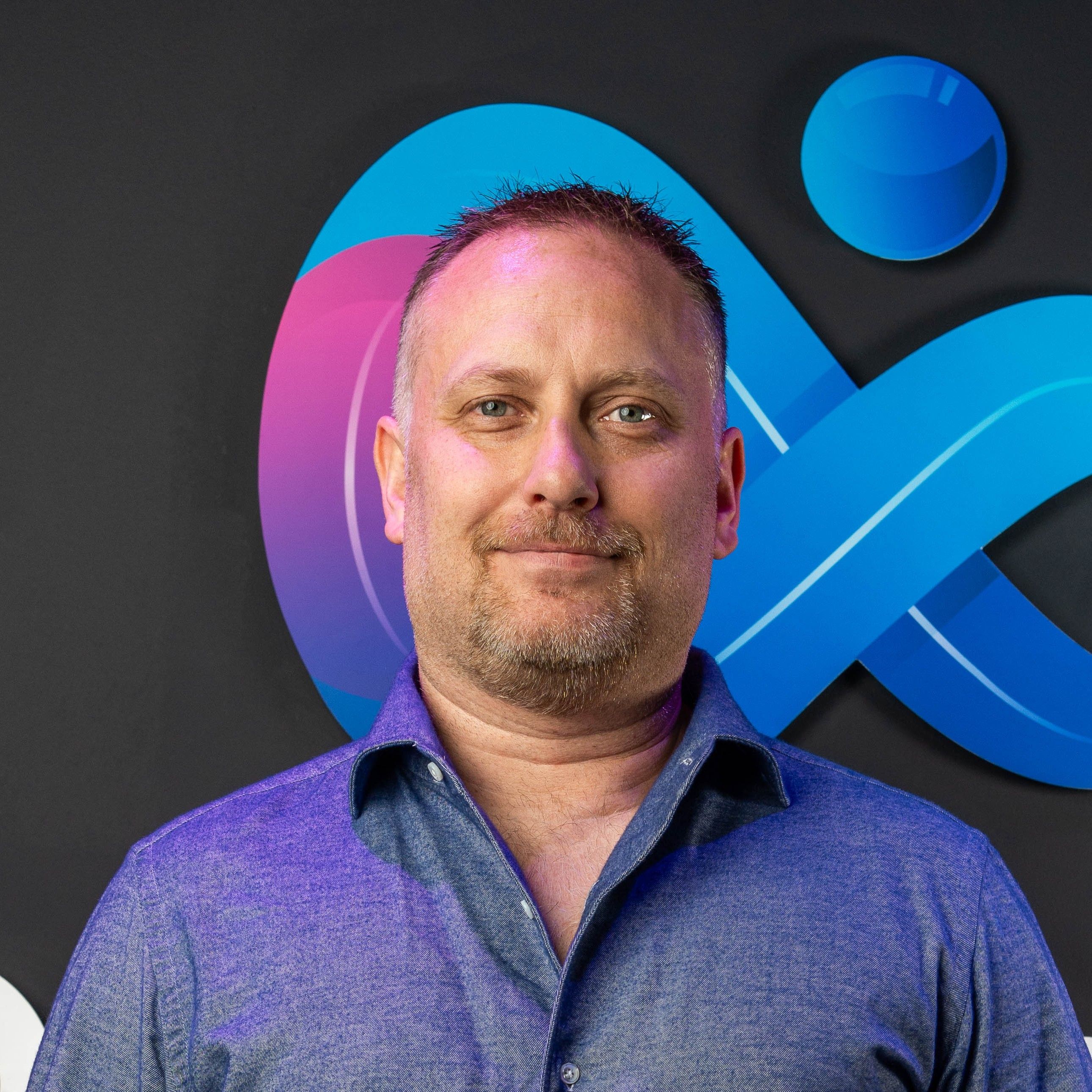
In this engaging interview-style session, Andy Palmer, Surveillance & AI Solutions at Seagate Technology, and Chris Bone, AI Specialist at Hammer, will explore how AI is reshaping modern security operations and what organisations need to do to prepare for the next generation of intelligent surveillance.
Drawing on real-world deployments and industry experience, the discussion will examine practical AI and video analytics use cases, the impact of rapidly growing video data volumes, strategies for long-term data retention and compliance, and the infrastructure required to support scalable, resilient, and secure AI-driven environments.
Attendees will leave with a clearer understanding of how to balance innovation with operational requirements and build a data foundation capable of supporting the future of AI-powered security.
Key topics include:
• How AI is transforming security operations
• Real-world surveillance and video analytics applications
• Managing explosive growth in video data
• Data retention, governance, and compliance
• Scalability, resilience, and cyber security in AI-driven environments
• Preparing security infrastructure for future AI workloads -
The imperative for boards and leaders to understand the "why" behind the convergence of tech and geopolitics to be able be proactive not reactive to geopolitical uncertainty. Why a new model that looks beyond resilience is needed so that your organisation doesn't just survive but can thrive and find opportunity through geopolitical shocks. As countries ramp up spending on defence, how to find your purpose in a whole of society approach to defence - What will be the next frontiers of competition …
-
Michelle Russell will set out the SIA's new Strategic Plan for 2026 to 2029, describing a shift in regulatory focus from basic licencing compliance to raising standards, quality and professionalism across the private security industry. She will cover reforms across frontline licencing and training, business approval standards and responsible buying practices. She will also discuss work underway to prepare organisations in scope for Martyn's Law.
-
Letting technology handle the process, so people can focus on protection, judgement, service and value. Security providers cannot compete sustainably on hourly rate alone without perpetuating a race to the bottom. This session explores how technology can both automate and enhance, freeing people to focus on the areas where human capability matters most: protection, judgement, service and creating value for the client. By making quality, performance and outcomes visible and measurable, providers …
-
The "Chanukah by the Sea" terrorist attack on December 14, 2025, at Archer Park, Bondi, marked a devastating turning point in Australia’s domestic threat landscape. Characterised by the tactical exploitation of elevated urban terrain and a multi-modal approach involving both IEDs and long-arm rifles, the attack resulted in 15 fatalities and over 40 injuries. This tragedy exposed a critical flaw in contemporary security planning: the reliance on two-dimensional perimeters and "Run, Hide, Tell" reactive frameworks.
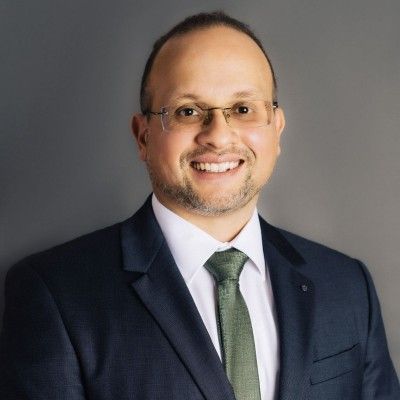
In response, The Bondi Protocol was developed as a comprehensive security paradigm shift. Authored by Dr. Maher Magrabi of Lote Consulting, the protocol moves away from a "fence mentality" toward a three-dimensional spherical perimeter strategy. This presentation will detail the core pillars of the Bondi Protocol, including the identification and management of "Grey Space" (Zone Ex)—areas outside a venue's immediate control that offer attackers tactical advantages. Drawing on lessons from the 2025 attack, we will explore: Site Security Audits & Red Team Thinking: How to identify topographical vulnerabilities like high-ground vantage points and ballistic cover used by assailants.
The Transition to ALICE: How the traditional "Run, Hide, Tell" guidance falls short during events such as the Bondi attack and how the ALICE framework (Alert, Lockdown, Inform, Counter, Evacuate) provides a more proactive, survival-oriented response for crowds. Active Mitigation Tools: The deployment of "white level" venue sweeps, visual occlusion screens, ballistic blankets, and airline-style safety briefings for event attendees. By analysing the Bondi attack as a case study in the evolution of urban terrorism, this session provides security professionals with a standardized, robust framework to anticipate, prepare for, and mitigate high-impact risks in modern "probable" threat environments.
-
For years, body armour has required wearers and organisations to accept compromise. Weight. Heat. Restricted movement. Poor fit. Discomfort. Operational fatigue. Sustainability challenges. All in the name of protection.
-
With a first intake of students in 2021 NMITE’s vision is to bring a new standard of engineer into the workforce with the ability to communicate, investigate and operate when faced with limited information and resources. A skillset that would benefit many of the employers exhibiting at ISRC. Academic lead for Security & Resilience, Peter is emerging as a recognised expert in Problem Based Learning with many of his former students now working in the primary sectors of Energy, Infrastructure and …
-
- Why space systems now matter to everyday security, resilience, and national power.
- How geopolitical competition, conflict, and commercialisation are reshaping risks in orbit and on Earth.
- Key threats: cyber, counterspace actions, and supply chain fragility—and why they are hard to deter.
-
Lis will provide an overview of the evolving national security landscape and Counter Terrorism Policing’s role in homeland defence, countering state threats, maritime security, Martyn’s Law and CBRN resilience.
-
- How AI and Quantum technologies challenge traditional concepts of data sovereignty, jurisdiction, and national accountability.
- Decision-making risk when systems act faster than governance, legal frameworks, and human oversight can respond.
- Board, Government, and security leadership responsibilities for accountability in AI and Quantum-enabled environments.
- Practical leadership principles for resilience, governance, and trust in non-linear, technology-driven security systems.
-
This panel session will consider the importance of dynamic lockdown, how it may be achieved, and the challenges those who are responsible for facilities may face when preparing them and their procedures to ensure events necessitating a dynamic lockdown are managed effectively.
-
International Security Expo chair Figen Murray OBE will give a welcome address.
-
This presentation examines how security organisations can move beyond responding to attacks toward an intelligence-led prevention model focused on identifying emerging threats before violence occurs. Particular attention is given to the vulnerabilities of crowded places and public events, where open access, large gatherings and complex environments can create significant protective-security challenges. The session explores the journey from fragmented information and weak signals to actionable in …
-
In an increasingly complex and volatile security landscape, the ability to innovate rapidly is critical. In this session, Anita Friend from UK Defence Innovation (UKDI) will explore how lessons learned from real-world scenarios - such as the conflict in Ukraine - are reshaping approaches to security and defence capability delivery. Drawing on these insights, the talk will highlight how agile innovation, cross-sector collaboration, and rapid experimentation can be harnessed to accelerate outcomes …
-
-
The Government has launched a new Economic Security Advisory Service to help businesses manage a range of risks that they may face, from risks to their supply chains, intellectual property and cybersecurity. Dov will be talking about why these risks matter and simple steps you can take to improve your business's resilience against them.
-
-
To explore how Martyn's Law, (Terrorism (Protection of Premises) Act 2025) and the Level 3 Award in Counter Terrorism Protective Security and Preparedness Course (CTPSaP) may affect industry, with a particular focus on Events,Speakers
-
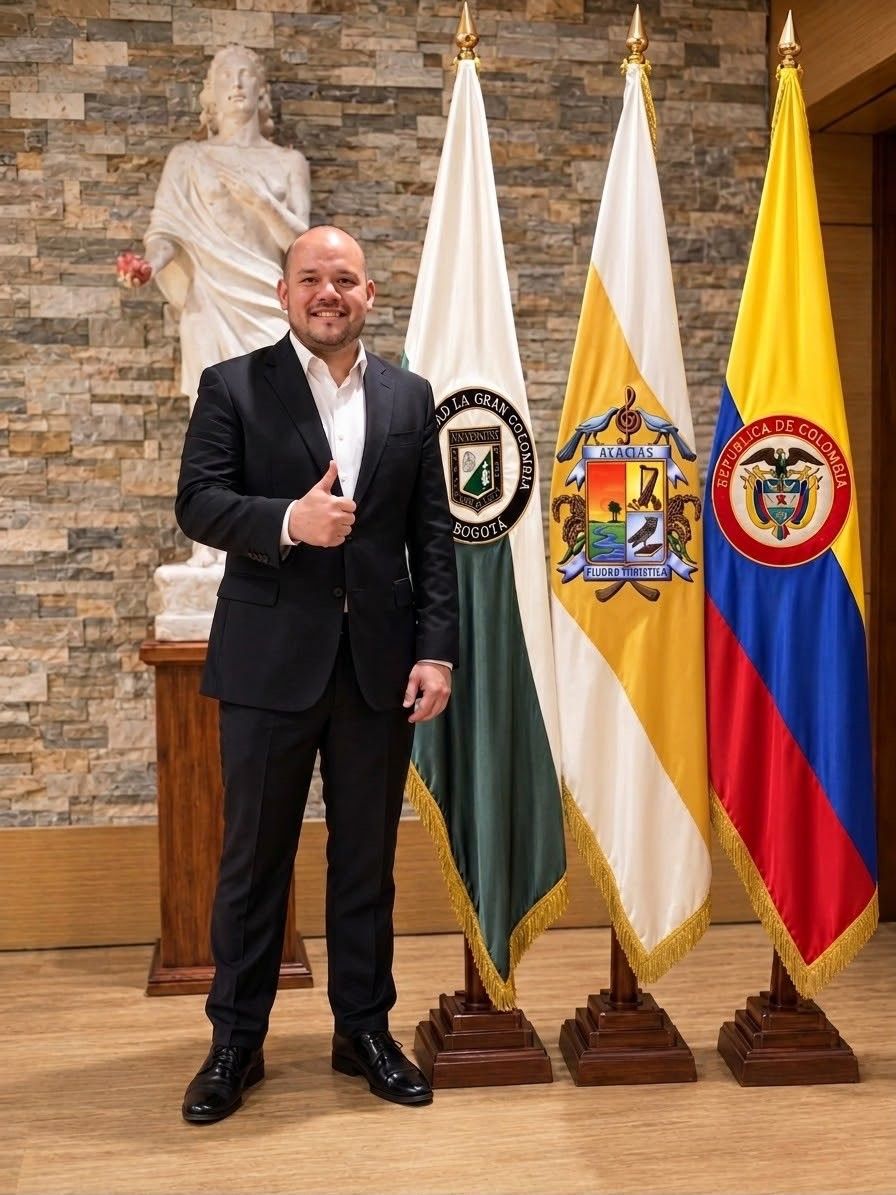
Colombia is moving toward a decisive era of security and order. In London, we present a pioneering, next-generation correctional infrastructure initiative in Meta, centered in Acacías. We invite global technology and defense partners to lead this strategic model through solid, secure, and high-impact regional investments.
-
As the threat landscape becomes increasingly volatile, traditional resilience frameworks are being outpaced. This session explores how Artificial Intelligence is shifting the paradigm from reactive recovery to proactive, agent-led defense. The discussion will focus on two critical shifts: how AI innovations are fundamentally retooling the organizational resilience landscape, and how the deployment of AI agents is revolutionizing stress testing and scenario exercises.
-
This session examines why Hybrid Warfare and Operational Sovereignty have become critical priorities for UK businesses. Drawing on key insights from Resilience First’s 2026 programme, we will explore the strategic steps organisations can take today to secure their sovereignty and build long-term resilience against evolving hybrid threats.
-
The S12 is a Community Interest Organisation that brings together security leaders to work as a collective with the Government and the Security Minister. Its mandate is to address and elevate critical industry issues, promote higher standards and professionalism, enhance public safety, and positively shape the perception of the security guarding sector.
-
Too much misinformation surrounds Martyn's Law, and some unscrupulous organisations are trying to exploit uncertainty. This panel will let you hear from those directly responsible, dig into the reality behind the legislation, and get signposted on next steps.
-
Whilst we look to the future in our efforts to prevent further attacks, we must take stock and remember those which have already occurred - and the individuals that live with the lifelong consequences and impact. In this session organised by Resilience in Unity - a collective of people with lived experience of terrorism who have come together in their efforts to raise awareness of violent extremism and to advocate for improved support and security legislation - we will hear from three people wh …Speakers
-
Discover how ACE partnered with Border Force to enhance X-ray scanning capabilities, applying innovative approaches to identify operational challenges, accelerate solution development and improve the detection of concealed threats at the border.Speakers
-
This inspiring panel session celebrates the next generation of young Black leaders and entrepreneurs transforming the private security sector. Bringing together rising stars, innovators and changemakers, the discussion will explore leadership, representation, entrepreneurship and breaking barriers within the industry. From building successful businesses to creating lasting impact, the panel will highlight the importance of visibility, mentorship, culture and empowering future generations to lead …
-
• State inspired terrorism under the guise of humanitarian intervention — the accelerant that has fomented terrorist attacks in the UK.
• The adapting nature of terrorist recruitment: asymmetrical warfare and the use of cleanskin proxies.
• How we can utilise Humint, human analytical tools and AI, to analyse language, to predict where the next attack will emanate from.
• Our responses, from both the private and public sector in terms of prevention and protection.Speakers -
This session explores how misinformation and disinformation can escalate during crises, eroding trust and confidence. Attendees will gain insights into protecting trust, reassuring stakeholders, and about newly published guidance, "Preparing Schools for Communicating in a Crisis".
-
Private security is a strategic lever in critical minerals and rare earth supply chains, not a downstream afterthought. It shapes ESG performance, social licence, and investment risk from mine site to port. This session sets out practical steps for governments, operators and security providers to embed responsible security into national strategies and deals.
-
-
-
Smart card credentials and how they will fare in a post quantum world. From the impact on current industry credentials and the timely introduction of post quantum algorithms, through to what the credential landscape may look like in a post quantum world.
-
Attendees will learn how public-sector organizations can:
- Collaborate across agencies without exposing sensitive data
- Apply AI to distributed, protected data while maintaining sovereignty and control
- Use Privacy-Enhancing Technologies to overcome security and trust barriers
- Build secure data collaboration ecosystems that strengthen operational resilience
-
Spiking Is a Global Issue explores the scale, impact and evolving nature of spiking, demonstrating that it can happen anywhere, to anyone and across a range of settings and industries. The presentation looks at the history of spiking, the different methods used, the impact on victims and the growing recognition of spiking as a serious global issue. The presentation also examines the progress made through campaigning, including the introduction of a new standalone spiking offence in the UK, and t …
-
As the demand for safer venues and public spaces continues to grow, temporary HVM has become a critical component of protective security planning. This presentation provides an overview of how temporary HVM is evolving to meet modern security challenges, highlighting lessons from real-world events, innovation, effective development of holistic strategies, and the importance of delivering effective security without compromising accessibility or the public experience.
-
Evidence obtained from extensive research has indicated that a marine-based terrorist attack targeting the tourism and event industries in coastal destinations around the UK is likely and that the multiple stakeholders involved are currently unaware and unprepared for potential marine-based terrorist threats. This is significant because coastal destinations are highly populated areas that attract high-capacity crowds to beaches and events held on or in proximity to the water. Dr Carleen Martin w …
-
I explore how the Islamic State in Khurasan Province (ISKP) decontextualises and manipulates religious verses to support its political and military aims through religious justification. My research, originally published in 2025, set out a four-step framework examining translation, context of revelation, interpretation, and modern application. In January 2026, ISKP published an article employing the same approach, using several of the same verses identified in the study but adapting them to fit i …
-
Abu Ahmed, Head of the Joint Security and Resilience Centre at the Home Office, explores the evolving landscape of threats to UK Homeland Security. He will outline government priorities and highlight how strong collaboration with industry is essential to confronting risks effectively and building national resilience.
-
Public trust is fundamental to the future of the private security sector. Satia will explore how the sector can strengthen public confidence through professional standards, inclusive leadership, collaboration and greater recognition of the people who protect our communities. The conversation will highlight the critical role of women in protective services, the importance of creating pathways for diverse talent, and how a more representative and united profession can build greater trust, credibil …
-
Arson has always been a low tech and high consequence modus operandi for a range of state, group & lone actors. However, post Ukraine conflict we have seen a resurgence in state actor and state proxies weaponizing arson with potentially lethal effect, the cold war never went away it just evolved into something more dangerous.. We also have the competing threats from loan actors, activists, militant and terrorist groups to resurgence in gangland violence in the UK and globally. New threats are em …
-
When Gulf airspace closed in March 2026, Sicuro Group's Dubai GSOC fielded 155 client inquiries and executed 23 ground missions across six countries in ten days. This session dissects the stay-or-go decision as it actually unfolded: the indicators used to advise clients in real time, the coordination patterns that held across UAE, UK, and US headquarters, and the operational realities of multi-country road moves when commercial aviation is unavailable. Critically, it examines why the majority of …Speakers

empty text