)
)
)
)
)
)
2026 Summit agenda
10:15
-
International Security Expo chair Figen Murray OBE will give a welcome address.
10:35
-
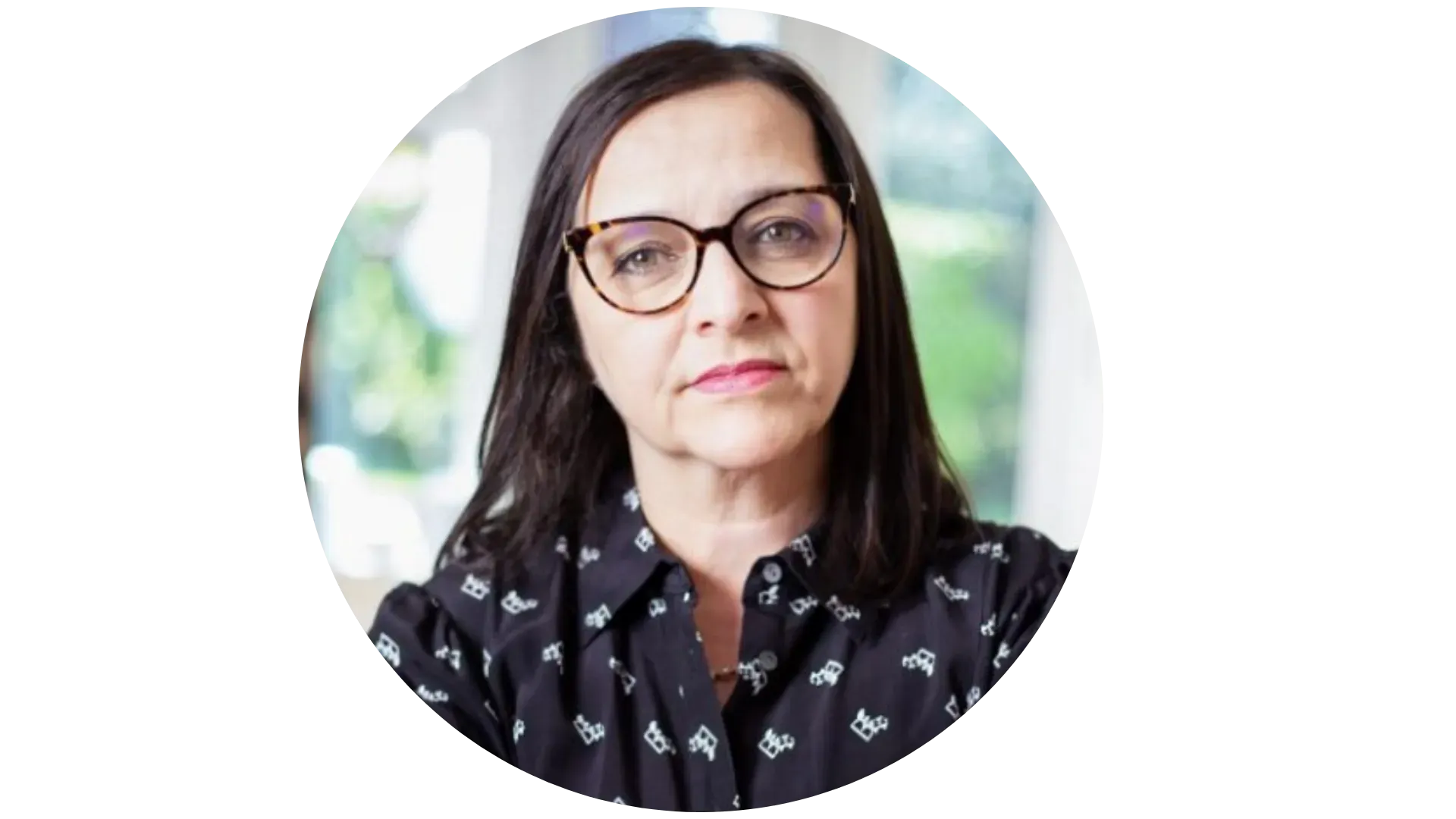
Evidence obtained from extensive research has indicated that a marine-based terrorist attack targeting the tourism and event industries in coastal destinations around the UK is likely and that the multiple stakeholders involved are currently unaware and unprepared for potential marine-based terrorist threats. This is significant because coastal destinations are highly populated areas that attract high-capacity crowds to beaches and events held on or in proximity to the water. Dr Carleen Martin will present analysis of the data and the development of a new framework that has been specifically designed to increase resilience in the maritime environment.
11:10
-
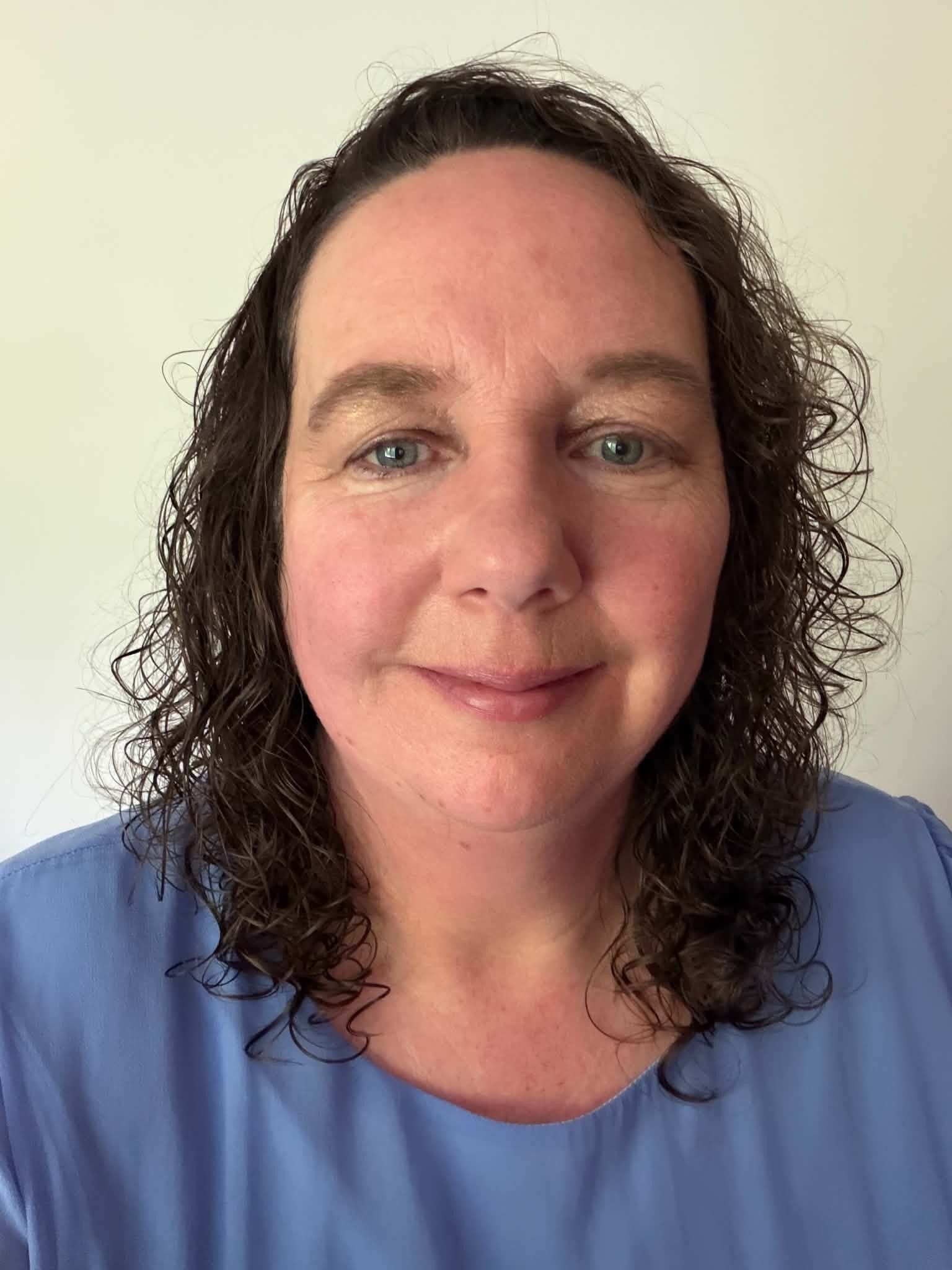
Lis will provide an overview of the evolving national security landscape and Counter Terrorism Policing’s role in homeland defence, countering state threats, maritime security, Martyn’s Law and CBRN resilience.
11:45
-
Whilst we look to the future in our efforts to prevent further attacks, we must take stock and remember those which have already occurred - and the individuals that live with the lifelong consequences and impact. In this session organised by Resilience in Unity - a collective of people with lived experience of terrorism who have come together in their efforts to raise awareness of violent extremism and to advocate for improved support and security legislation - we will hear from three people who have been on the receiving end of an act of terrorism and who have since fought to turn their experience into tangible, positive change. The panel will be chaired by Michael Orchard, who was formerly the National Coordinator for CT Policing, a senior official within the UK's counterterrorism communitySpeakers

12:55
-
When Gulf airspace closed in March 2026, Sicuro Group's Dubai GSOC fielded 155 client inquiries and executed 23 ground missions across six countries in ten days. This session dissects the stay-or-go decision as it actually unfolded: the indicators used to advise clients in real time, the coordination patterns that held across UAE, UK, and US headquarters, and the operational realities of multi-country road moves when commercial aviation is unavailable. Critically, it examines why the majority of clients stayed safely in place rather than evacuated, and what that tells us about where corporate resilience frameworks succeed and where they fail under live conflict conditions. Case-driven and practitioner-focused, with no product content.Speakers
13:30
-
For years, body armour has required wearers and organisations to accept compromise. Weight. Heat. Restricted movement. Poor fit. Discomfort. Operational fatigue. Sustainability challenges. All in the name of protection.
14:05
14:40
-
Smart card credentials and how they will fare in a post quantum world. From the impact on current industry credentials and the timely introduction of post quantum algorithms, through to what the credential landscape may look like in a post quantum world.

15:15
-
The "Chanukah by the Sea" terrorist attack on December 14, 2025, at Archer Park, Bondi, marked a devastating turning point in Australia’s domestic threat landscape. Characterised by the tactical exploitation of elevated urban terrain and a multi-modal approach involving both IEDs and long-arm rifles, the attack resulted in 15 fatalities and over 40 injuries. This tragedy exposed a critical flaw in contemporary security planning: the reliance on two-dimensional perimeters and "Run, Hide, Tell" reactive frameworks.
In response, The Bondi Protocol was developed as a comprehensive security paradigm shift. Authored by Dr. Maher Magrabi of Lote Consulting, the protocol moves away from a "fence mentality" toward a three-dimensional spherical perimeter strategy. This presentation will detail the core pillars of the Bondi Protocol, including the identification and management of "Grey Space" (Zone Ex)—areas outside a venue's immediate control that offer attackers tactical advantages. Drawing on lessons from the 2025 attack, we will explore: Site Security Audits & Red Team Thinking: How to identify topographical vulnerabilities like high-ground vantage points and ballistic cover used by assailants.
The Transition to ALICE: How the traditional "Run, Hide, Tell" guidance falls short during events such as the Bondi attack and how the ALICE framework (Alert, Lockdown, Inform, Counter, Evacuate) provides a more proactive, survival-oriented response for crowds. Active Mitigation Tools: The deployment of "white level" venue sweeps, visual occlusion screens, ballistic blankets, and airline-style safety briefings for event attendees. By analysing the Bondi attack as a case study in the evolution of urban terrorism, this session provides security professionals with a standardized, robust framework to anticipate, prepare for, and mitigate high-impact risks in modern "probable" threat environments.
15:50
-
As the demand for safer venues and public spaces continues to grow, temporary HVM has become a critical component of protective security planning. This presentation provides an overview of how temporary HVM is evolving to meet modern security challenges, highlighting lessons from real-world events, innovation, effective development of holistic strategies, and the importance of delivering effective security without compromising accessibility or the public experience.
16:25
-
Michelle Russell will set out the SIA's new Strategic Plan for 2026 to 2029, describing a shift in regulatory focus from basic licencing compliance to raising standards, quality and professionalism across the private security industry. She will cover reforms across frontline licencing and training, business approval standards and responsible buying practices. She will also discuss work underway to prepare organisations in scope for Martyn's Law.
10:00
-
This presentation examines how security organisations can move beyond responding to attacks toward an intelligence-led prevention model focused on identifying emerging threats before violence occurs. Particular attention is given to the vulnerabilities of crowded places and public events, where open access, large gatherings and complex environments can create significant protective-security challenges. The session explores the journey from fragmented information and weak signals to actionable intelligence and proportionate preventive action, considering lone-actor and decentralised threats, behavioural warning indicators, intelligence sharing, OSINT, emerging AI capabilities, protective security and community resilience. At its heart is a critical question: How can security professionals recognise and connect meaningful warning indicators early enough to protect crowded places while maintaining proportionality, civil liberties and public trust? Key Discussion Points • Reactive Security vs Intelligence-Led Prevention — shifting the emphasis from responding after an incident to identifying emerging risks earlier. • Protecting Crowded Places — understanding vulnerabilities associated with public events, transport hubs, entertainment venues, places of worship and other publicly accessible locations. • Recognising Weak Signals — distinguishing potentially meaningful behavioural and threat indicators from ordinary activity without relying on profiling. • The Lone-Actor Challenge — …
10:35
11:10
-
Access Control Tokens, commonly used as keys, could serve as portable identities across various locations and systems. This single token would enable user authentication and verification for access, regardless of the system, while maintaining security. We will explore the rationale behind this approach.
11:45
-
Discover how ACE partnered with Border Force to enhance X-ray scanning capabilities, applying innovative approaches to identify operational challenges, accelerate solution development and improve the detection of concealed threats at the border.Speakers
12:55
-
The S12 is a Community Interest Organisation that brings together security leaders to work as a collective with the Government and the Security Minister. Its mandate is to address and elevate critical industry issues, promote higher standards and professionalism, enhance public safety, and positively shape the perception of the security guarding sector.


13:30
14:05
-
I explore how the Islamic State in Khurasan Province (ISKP) decontextualises and manipulates religious verses to support its political and military aims through religious justification. My research, originally published in 2025, set out a four-step framework examining translation, context of revelation, interpretation, and modern application. In January 2026, ISKP published an article employing the same approach, using several of the same verses identified in the study but adapting them to fit its own narrative. This development reinforces the original findings in the study and provides insight into how ISKP constructs and communicates its ideological messaging, and supports the prediction of their behaviour.

14:40
-
The Government has launched a new Economic Security Advisory Service to help businesses manage a range of risks that they may face, from risks to their supply chains, intellectual property and cybersecurity. Dov will be talking about why these risks matter and simple steps you can take to improve your business's resilience against them.
15:15
-
Abu Ahmed, Head of the Joint Security and Resilience Centre at the Home Office, explores the evolving landscape of threats to UK Homeland Security. He will outline government priorities and highlight how strong collaboration with industry is essential to confronting risks effectively and building national resilience.